Industrial Air Filtration Systems
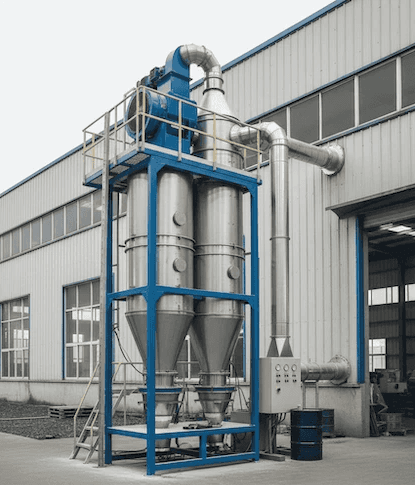
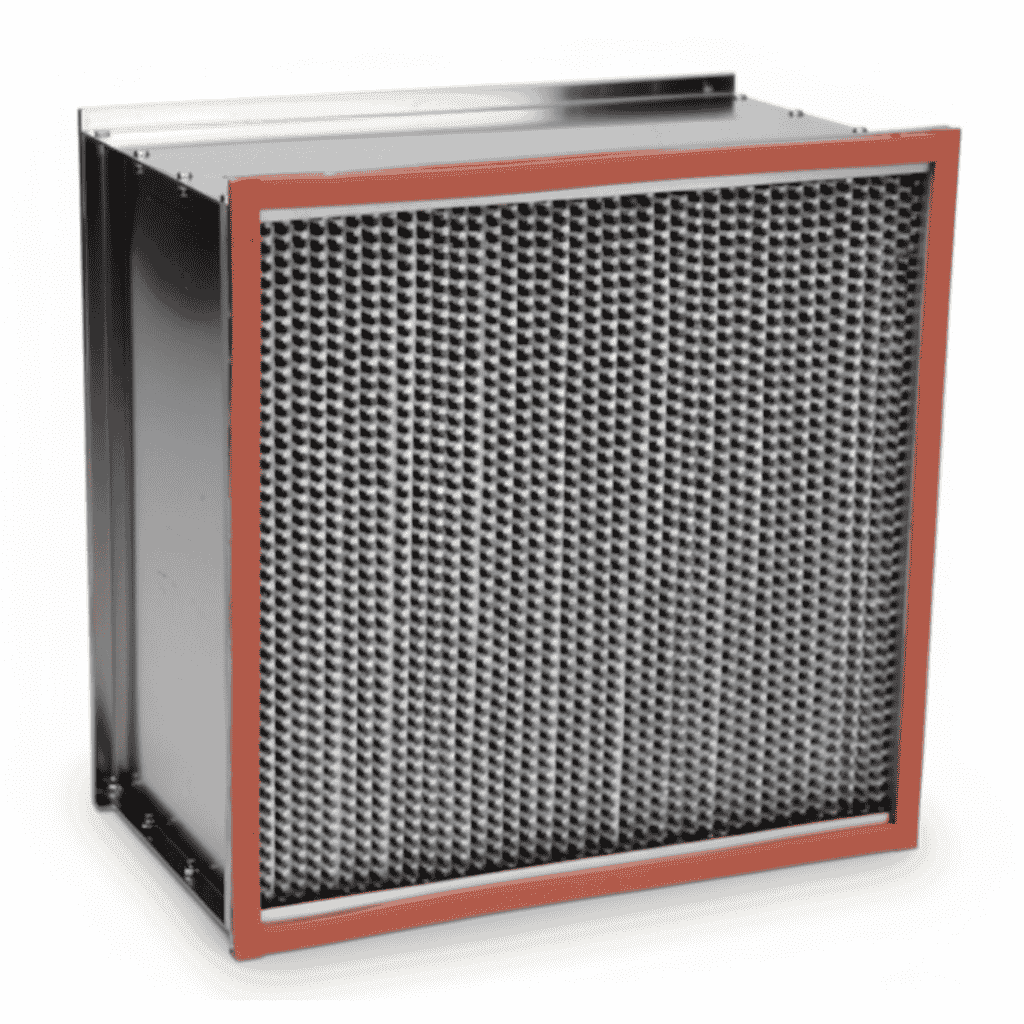
Industrial Air Filtration Systems ensure high-efficiency removal of dust, fumes, and airborne contaminants in demanding industrial environments.
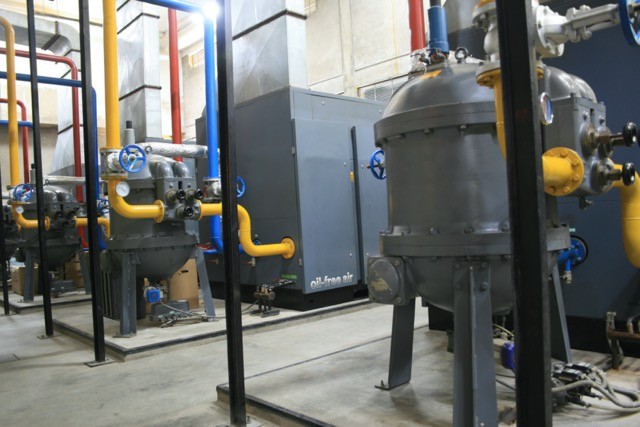
Industrial air filtration systems clean the air in factories and plants by removing dust, fumes, and other airborne contaminants. As a result, they improve worker safety, protect equipment, and support compliance with air quality standards. With strong airflow and multi-stage filtration, these systems perform reliably even under heavy use and suit industries like pharmaceuticals, food processing, metals, and electronics.
On-site technical evaluation
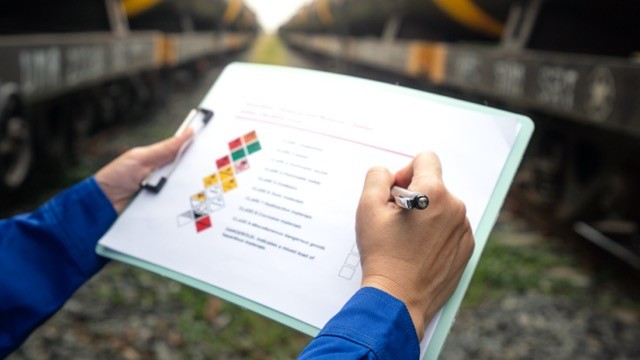
The process starts with a detailed on-site evaluation. This helps match the right industrial air filtration system to your actual plant conditions.
Inspect the site and existing ventilation systems
Assess airflow, filtration needs, and contamination sources
Review equipment compatibility and installation options
Identify operational challenges that may affect performance
This evaluation leads to accurate system recommendations that reduce risk and improve long-term efficiency.
Air quality and environmental checks
Next, air quality and environmental checks make sure the design supports both safety and compliance. In addition, they help you understand existing problems clearly.
Measure particulate matter (PM), gases, and airborne contaminants
Analyze airflow, pressurization, and contamination paths
Compare conditions with regulatory and industry standards
Provide clear actions to improve indoor air quality and system performance
As a result, your facility can maintain cleaner air and meet applicable guidelines.
System design and load analysis
After the assessments, system design focuses on efficiency and stable airflow. Therefore, the final solution fits your process and energy goals.
Size HVAC and filtration systems based on real site data
Calculate airflow distribution, ventilation loads, and pressure drops
Review performance under different operating scenarios
Suggest optimizations to cut energy use and operating cost
This approach keeps the filtration system working at peak efficiency while limiting maintenance demands.
Applications
Industrial air filtration systems work in many types of environments. In addition, they can integrate with new or existing HVAC infrastructure.
Food and pharmaceutical production facilities
Metal, mining, and cement plants
Electronics and precision manufacturing units
Warehouses, logistics hubs, and industrial ventilation systems
They can also be combined with cleanrooms, air handling units (AHUs), and retrofit projects.
Benefits
These systems deliver both health and operational benefits. Plus, they support long-term cost savings.
Improve worker safety by reducing exposure to dust and fumes
Lower contamination in sensitive manufacturing processes
Enhance equipment reliability and uptime
Support compliance with environmental and industry standards
Optimize energy use and overall efficiency
Reduce maintenance costs and downtime
Why choose TAFCO
TAFCO industrial air filtration systems are built for durability, performance, and reliability. Moreover, configurable designs ensure consistent airflow and particle removal in all key areas of the plant.
As a result, clients gain safer workplaces, cleaner air, and longer equipment life. With TAFCO solutions, industrial facilities can improve efficiency and stay aligned with international standards over the long term